

by Saswati Mukherjee
A poisonous weed prevalent across The Hills Shire, Blacktown and Penrith could wreak havoc this winter, with authorities warning that an intensifying El Niño weather pattern may accelerate the spread of Mother of Millions across Western Sydney. A potential ‘Super El Niño’ is expected to create ideal conditions for drought-tolerant weeds to thrive.
Mother of Millions, a fast-spreading succulent originally introduced to Australia from Africa as a garden plant, has now invaded Sydney bushland. With the Bureau of Meteorology forecasting a warmer, drier winter with reduced rainfall and above-average temperatures, the Western Sydney Weeds Authority (WSWA) has urged residents to remain vigilant and report sightings.
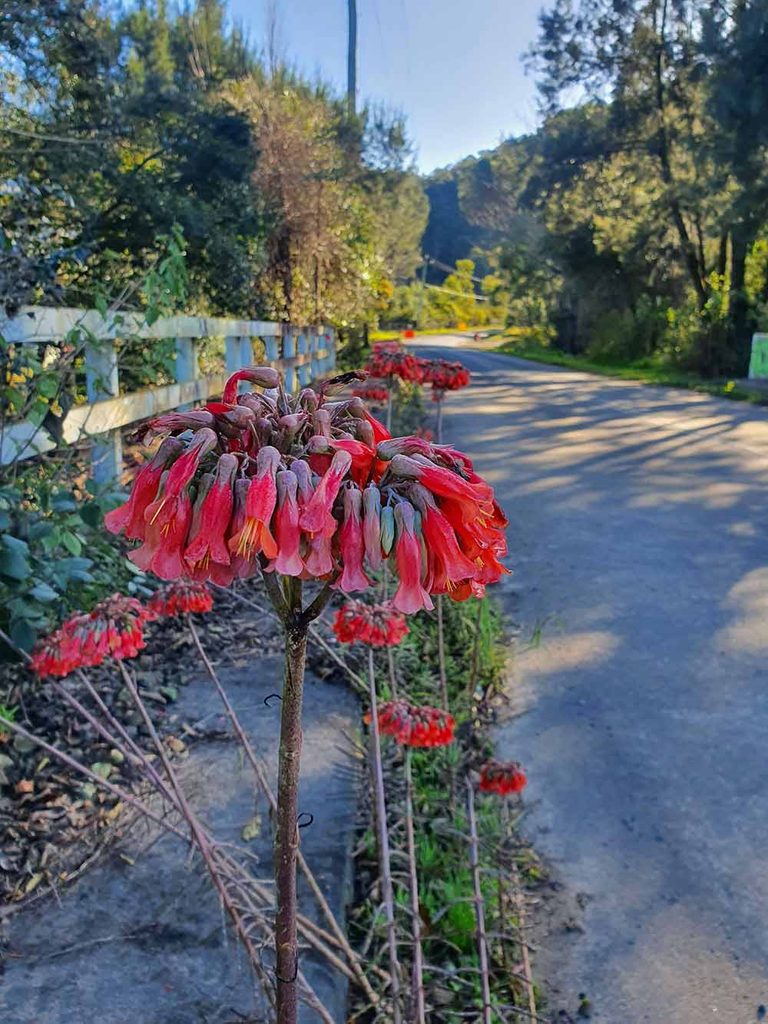
The weed reproduces rapidly through detachable ‘plantlets’ and thousands of longlasting seeds, making it difficult to control once established. It can be identified by its pale green to brown pencil-shaped leaves with darker green patches and shallow grooves, along with clusters of orange-red flowers growing from a pinkish-grey stem.
Its peak flowering period from May to October coincides with these dry conditions. Highly poisonous to humans, pets and livestock, Mother of Millions can cause heart failure in grazing animals within days, with toxins that accumulate after ingestion. The flowers are considered significantly more toxic than the leaves and stems.
The weed thrives in gravel and sandy soils, particularly along roadsides, fence lines, bushland, rubbish tips, abandoned properties and waterways, where floodwaters can also carry fragments into new areas.
WSWA General Manager Chris Dewhurst said early detection remained critical to preventing the spread.
“This makes it extremely difficult to control once established, which is why early detection and rapid response are critical. Our reporting tool has increased awareness in the community of priority weeds, and the number of reports we receive each month has quadrupled. This helps us to proactively wipe out new weed growth.”
Residents are encouraged to report sightings through WSWA’s online Weed Notification Form, which has seen submissions increase by 400 per cent since launching four months ago.
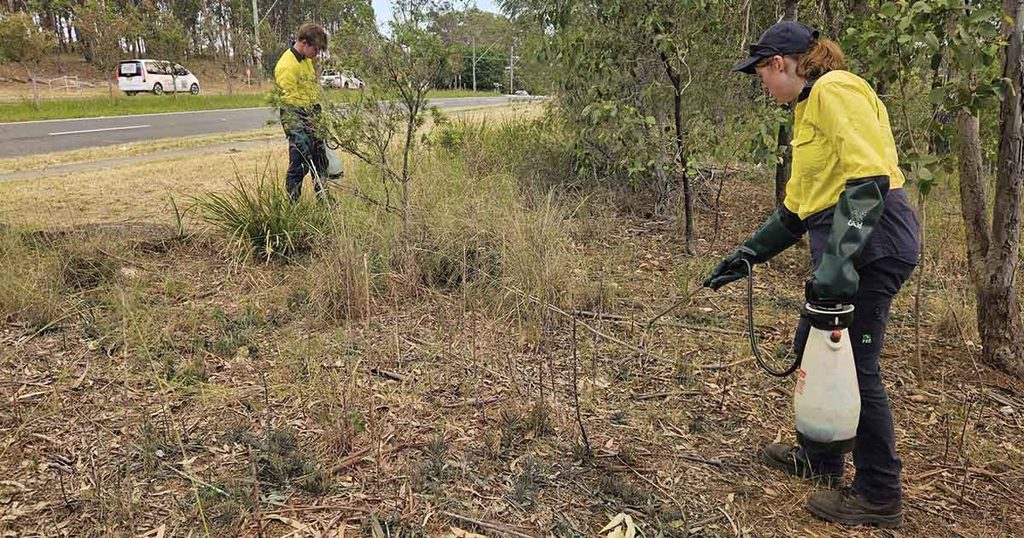
WSWA’s expert control teams respond quickly to reports using herbicide treatment or manual removal methods, including burning or solarising plant material while preventing further spread of plantlets.
“It’s important that the community works together with us to manage Mother of Millions during this period of extreme weather and help protect our fragile natural landscapes and primary industries,” said Dewhurst.