
By Councillor Mitchell Blue
As Chair of The Hills Bushfire Management Committee and a local volunteer firefighter, bushfire preparedness is a cause I am deeply passionate about. With the 2026-27 bushfire season approaching, now is the time for residents and landowners across The Hills to understand their level of risk and take practical steps to protect their homes, families and properties.
Bushfires have always been part of life in The Hills. From Glenhaven and Annangrove in 1975, Kenthurst in 1991, and the devastating fires of 1994 and 2002 across Maroota South, Glenorie and Kenthurst, our community has seen firsthand how quickly conditions can change. Many local firefighters and residents still remember those events vividly, highlighting the importance of being prepared before a fire starts.
It has now been more than six years since Australia’s last major bushfire crisis dominated headlines. During that time, significant growth and development have reshaped suburbs such as Box Hill and North Kellyville. While our communities continue to expand, the bushfire risk remains very real.
This year, forecasts indicate the potential for a challenging bushfire season, with El Niño conditions increasing the likelihood of warmer temperatures and below-average rainfall across many parts of Australia. Following a drier than average autumn and ongoing dry conditions in parts of New South Wales, residents should not be complacent. The combination of dry vegetation, hotter weather and strong winds can create conditions that allow fires to spread rapidly.
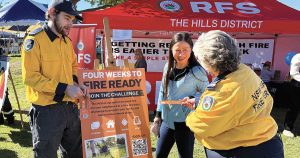
That is why The Hills District Rural Fire Brigades and The Hills Shire Council are encouraging residents to take part in the 4 Weeks to Fire Ready Challenge, a free program tailored specifically to local conditions. Over four weeks, participants receive simple weekly guidance to help create a Bush Fire Survival Plan, prepare their property, understand warnings and fire danger ratings, and keep their plans up to date.
This year, the program will also include a series of community preparedness and information meetings across The Hills. These sessions provide an opportunity for residents to learn more about local bushfire risks, ask questions, develop a Bush Fire Survival Plan and meet their local volunteer firefighters. Whether you are new to the area or have lived here for decades, these meetings offer practical advice that could make a significant difference during an emergency.

Many people are surprised to learn that homes are often lost not from direct flame contact, but from ember attack. Embers can travel kilometres ahead of a fire front, landing in gutters, gardens, decks and roofs, igniting properties far from the main fire. Even newer homes in suburban areas can be vulnerable.
A bushfire survival plan takes only a short time to prepare, but it can make a critical difference when every minute counts. Join the 4 Weeks to Fire Ready Challenge at https://mailchi.mp/rfs/4w2fr2026 and look out for Get Ready Weekend events hosted by local RFS brigades throughout September. Prepare now, because being fire ready could save your home and, more importantly, save lives.