

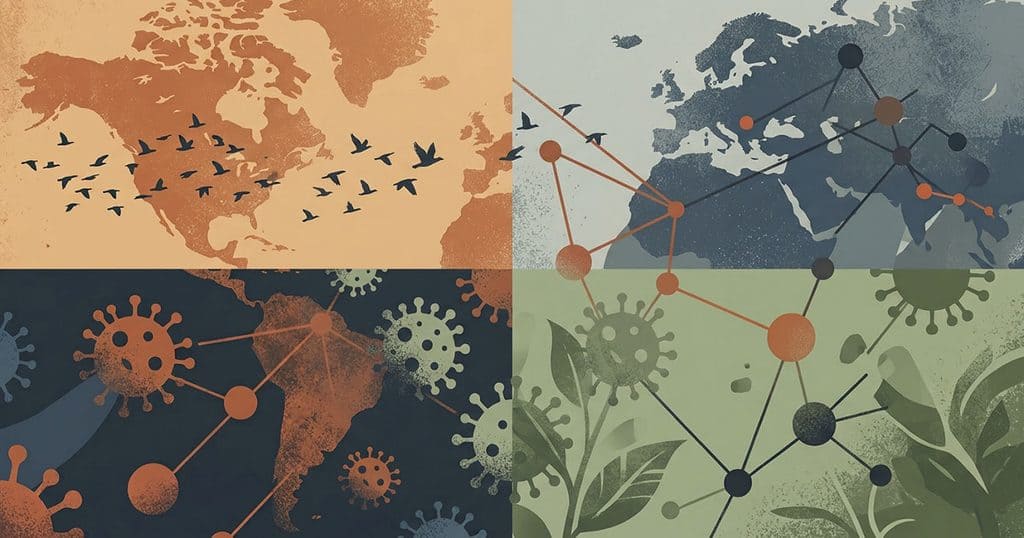
Bird flu is now on the radar in NSW, and if you spend any time outdoors — walking the dog along a wetland track, fishing off a jetty, birdwatching on the coast there’s a decent chance you’ll be the one who spots the first sign of trouble in your area.
High Pathogenicity H5N1 avian influenza has been detected in wild birds across the state; it primarily affects birds but can spread to poultry and, occasionally, other animals. There’s no sign of it in commercial poultry, captive birds or livestock so far, and the risk to human health is low, but the virus can move quickly among susceptible populations, so a bit of local vigilance goes a long way.
Here’s the practical version of what that means for you. If you come across a bird, or any other piece of wildlife, that looks sick or is already dead, the first move is to leave it alone don’t touch it, and keep clear of the ground and vegetation around it too. If you’ve got a dog or cat with you, keep them away too; pets touching or eating an infected animal is one of the easiest ways the virus spreads further than it needs to.
Note exactly where you found it, and if it’s safe, snap a photo or short video. Then call the Emergency Animal Disease Hotline on 1800 675 888 to report it. It sounds small, but these individual reports are how NSW authorities build a real picture of where the virus is turning up and how fast community reporting has become one of the most reliable early-warning systems the state has.
Behind the scenes, there’s a fair bit happening to keep pace. The NSW Government is working with the Australian Government, industry groups, wildlife organisations and local communities to investigate every wild bird detection, strengthen biosecurity across the state, run disease surveillance and lab testing, advise industry and animal owners, and coordinate a response if further detections occur.
Overseas, the same strain has already caused serious losses among seabirds, shorebirds, waterbirds and marine mammals, which is part of why NSW has put so much effort into identifying its own most at-risk species ahead of time, monitoring the places they gather, drawing up preparedness plans for priority sites, tightening biosecurity, building conservation plans for vulnerable populations, vaccinating captive birds, and working closely with wildlife groups and researchers rather than going it alone.
If you’re a wildlife rehabilitator, or work with an organisation that handles native animals regularly, there’s more detailed guidance built for that kind of work on the NSW Environment and Heritage website. For everyone else: keep your distance, keep pets away, make the call if you see something.