

When summer hit The Hills Shire earlier this year, residents did what Australians always do: they cranked the air con, found a cold drink, and waited it out. The wildlife had no such option.
Wallabies sheltered under scrub. Lizards pressed into rock crevices. Birds sat still with beaks open, panting. The heat that felt inconvenient to us was genuinely dangerous for them.
Hills Shire Council used the moment to remind residents that their own backyards can make a real difference. They pointed locals to Macquarie University’s Habitat Stepping Stones program — a project that asks people to think of their outdoor space not just as a garden but as a small piece of a wildlife corridor.
The idea is low-effort and practical. Plant a grevillea or banksia in a pot. Stack a few rocks near the fence line for lizards to shelter under. Put a saucer of water at ground level for small birds. Add a birdbath. It doesn’t have to be a full native garden overhaul — just something that gives local animals a fighting chance on a hot day.
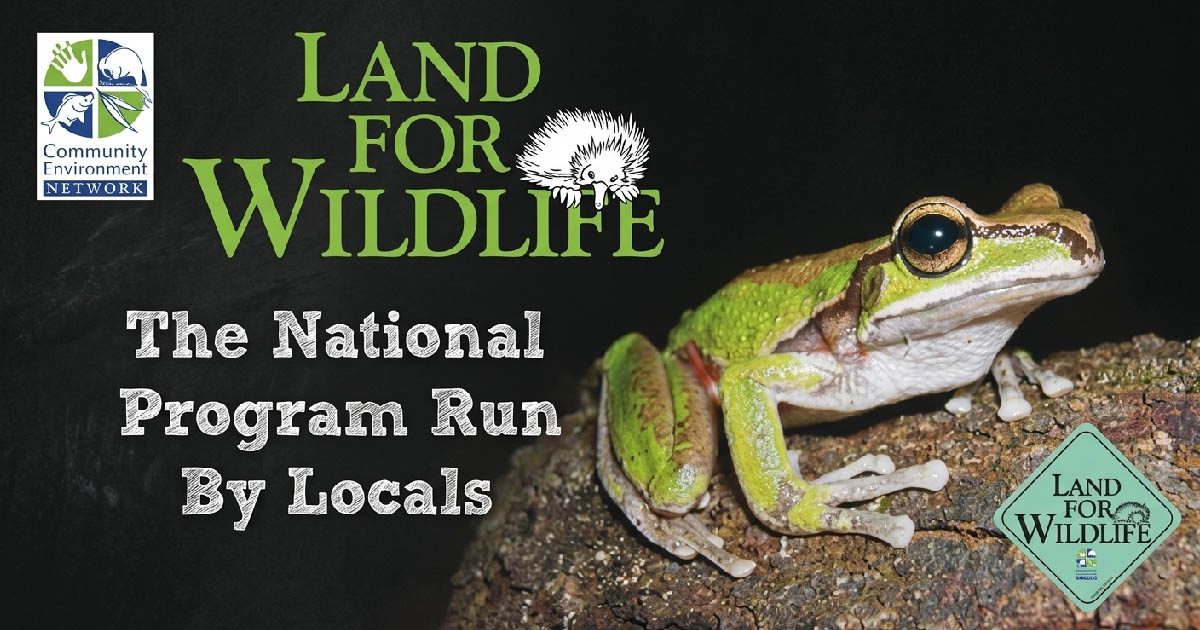
For those with more land — over half a hectare with remnant bush still on it — there’s a more structured option: the Land for Wildlife program, which runs across The Hills Shire and into neighbouring councils. Registration is free. The title of the property is unaffected. And recently, one registered landholder in the area was awarded a grant to carry out habitat work on their property, so the program does have some practical support behind it.
Across NSW, Land for Wildlife is coordinated by the Community Environment Network. Locally, the Cattai Hills Environment Network handles registrations and follow-ups.
Signing up gets you a free environmental assessment from a qualified professional who will walk your property and advise on topics such as weed management, native plant identification, and feral species management. There are also workshops, newsletters, and a Land for Wildlife gate sign — small things, but the kind that tend to start conversations with neighbours.
More information on Habitat Stepping Stones is at www.habitatsteppingstones.org.au. Expressions of interest for Land for Wildlife are submitted via www.cen.org.au. Local contact is Ricki at [email protected] or 0432 716 577.