

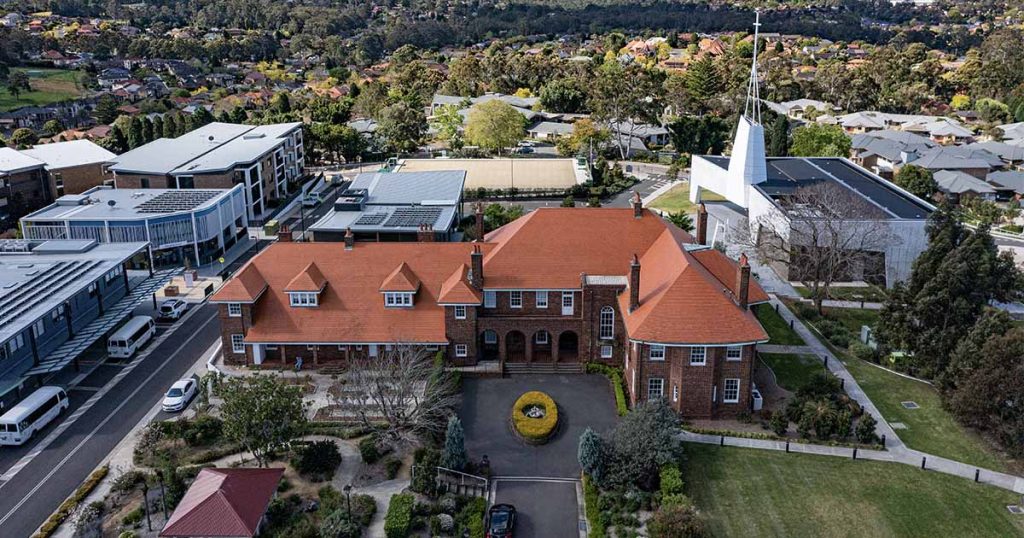
The historic Lober House in Sydney’s northwest, once a private residence and later Australia’s first retirement home, recently celebrated its 100th anniversary.
Built in the 1920s by Robert and Eva Dixson, the house was originally called Elwatan— Arabic for ‘home’ or ‘homeland’. Purchased by the Anglican Church in 1958 and opened the following year, it is now the social heart of Anglicare’s Castle Hill Village.
Influential women Dorothy Mowll and Dame Pattie Menzies played a key role in shaping this vision, pioneering independent living for older Australians. Today, Lober House connects residents together through clubs, social groups, and community events.
“This is where it all began for us,” says James Iliffe, General Manager of Anglicare Castle Hill Village. “Dorothy and Dame would be proud of how their vision has come to life.”
The house was one of architect BJ Waterhouse’s largest designs. Surrounding cottages, staff quarters and a distinctive tower house were added by JF Munnings, inspired by the style of early Canberra. It was renamed Lober House after a generous donation from car industry pioneers, Mr and Mrs W.H Lober.
While residents once lived inside Lober House, today they live in surrounding ‘villages’ across the estate. These independent living areas were developed in the 1960s and 70s as the community expanded, with the site continuing to evolve, including a major restoration in 2015.
A new development is now underway, with more than 50 residences planned in the first stage, supporting a growing community for years to come.
H2H speaks to Elizabeth Pedersen (75), a 14-year resident of Anglicare Village.
What is something unique about daily life at this historic site?
We host high teas, afternoon teas, and celebrations at Lober House. With around 640 residents across five villages, it’s a central hub where people come together and stay connected.
Have you heard any stories about the original family?
I met Hugh Dixson a few times and he shared that as a boy, he would walk along the top of the balcony bricks—before safety glass was installed—playing games and getting into mischief.
What’s your favourite part of Lober House?
The sunroom. Once an open balcony, it’s now enclosed and filled with sunlight, even in winter—a perfect place to relax.
Are there any preserved features that stand out?
The fireplaces are still used today, now gaspowered, creating a warm and welcoming atmosphere.
Do residents share their own stories?
Yes—one resident once worked here as a physiotherapist and nurse in the 1970s and 80s. Her former office is now the Dixson dining room.
Do you feel like residents have created a ‘new family’ within these walls?
Yes. While no one lives in Lober House now, it remains the heart of the community, bringing residents together through regular groups and shared activities.
Are there specific traditions or gatherings that make the place feel special? At Christmas, the house is beautifully decorated and families gather for celebrations and milestone birthdays. It also hosts ‘wakes’ — making it feel like a true home.